
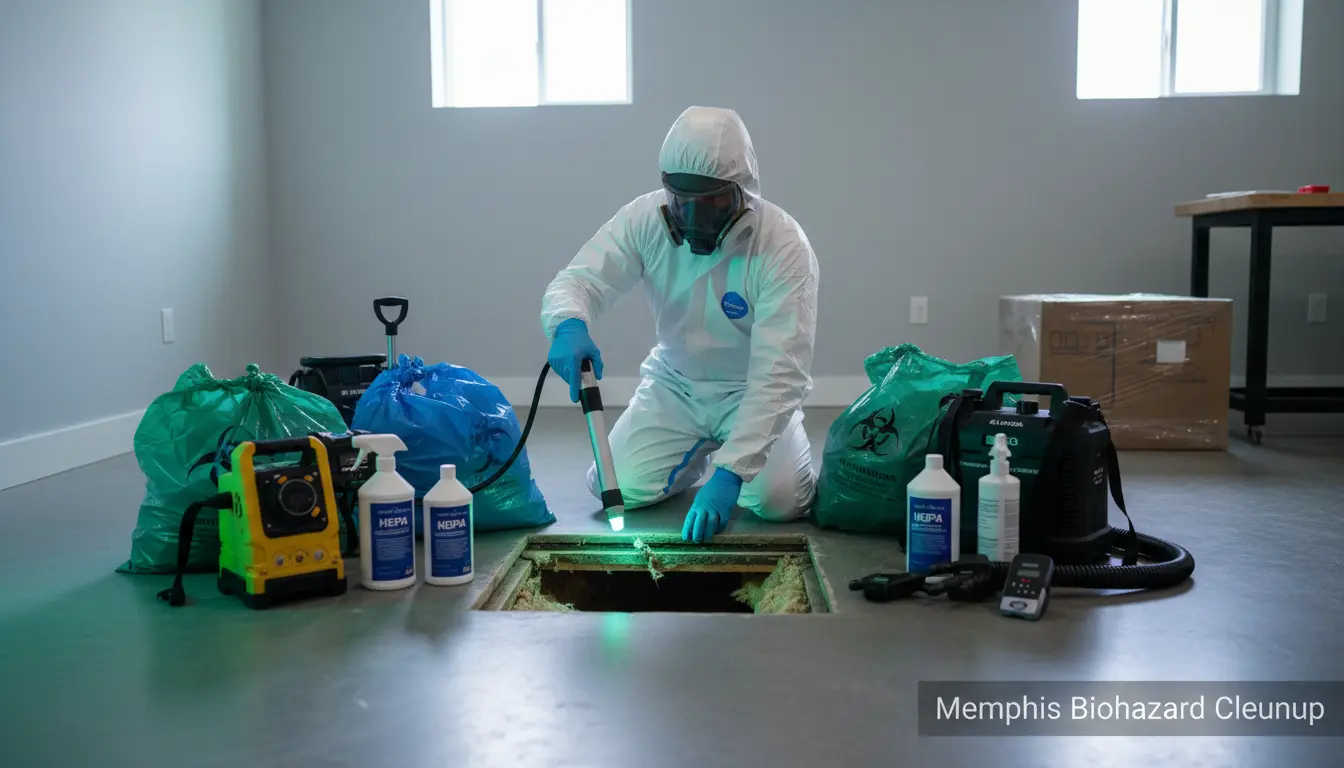
Living in the vibrant city of Memphis comes with its unique charms—from the soulful sounds of Beale Street to the lush greenery of Overton Park. But beneath the surface of this Southern gem, homeowners face hidden dangers that can turn a safe haven into a health hazard. Biohazards, those invisible threats lurking in your home, pose serious risks to your family’s well-being. From the humid Mississippi summers fostering mold growth to urban pest infestations carrying diseases, understanding these perils is crucial.
At Memphis Biohazard Cleanup, we’ve seen firsthand how these issues affect local residents. As your trusted biohazard cleanup experts serving the entire Memphis area, we’re here to shed light on the top biohazard risks facing homeowners today. In this post, we’ll explore what these risks are, why they’re prevalent in our city, and how you can protect your home. Whether you’re in Downtown Memphis or the historic Chickasaw Gardens, knowledge is your first line of defense. Let’s dive in.
Understanding Biohazards in Your Home
What Exactly Are Biohazards?
Biohazards refer to biological substances that pose a threat to human health. These can include bacteria, viruses, fungi, and other pathogens found in everyday environments. In a home setting, they often stem from organic waste, spills, or environmental factors. Unlike chemical hazards, biohazards can multiply rapidly, leading to widespread contamination if not addressed promptly.
In Memphis, our subtropical climate exacerbates these issues. High humidity levels, especially during the sweltering summer months, create ideal conditions for biohazard proliferation. According to local health reports, the area’s frequent rain and proximity to the Mississippi River contribute to moisture-related problems that many homeowners overlook.
Why Memphis Homes Are Particularly Vulnerable
Memphis’s geography and lifestyle play a big role. Neighborhoods like Mud Island, with their riverfront exposure, are prone to flooding, which introduces sewage and contaminants. Meanwhile, older homes in Whitehaven may have outdated plumbing, increasing the risk of backups. Urban density also means more pests, turning your cozy abode into a potential breeding ground for disease-carrying organisms.
Ignoring these risks isn’t just unwise—it’s dangerous. Exposure can lead to respiratory issues, infections, and long-term health complications. But don’t worry; with the right awareness and action, you can mitigate them effectively.
Top Biohazard Risks Facing Memphis Homeowners
Here are the most common biohazards we encounter in Memphis homes, backed by local insights and expert knowledge.
1. Mold Growth from High Humidity
Memphis’s humid climate is a mold magnet. With average humidity levels often exceeding 70% in summer, black mold and other fungi thrive in damp basements, attics, and bathrooms. A single leak from the roof or AC unit can spark an outbreak within days.
Why it’s a risk: Mold spores are airborne allergens that can cause asthma attacks, allergies, and severe respiratory problems, especially in children and the elderly. In areas like Chickasaw Gardens, where historic homes retain moisture, this is a persistent issue.
Local stat: The Tennessee Department of Health notes a 20% rise in mold-related complaints in Shelby County over the past five years.
2. Infectious Diseases from Pests and Rodents
Rodents and insects are unwelcome guests in Memphis homes, particularly in bustling neighborhoods like Downtown. Rats, roaches, and even wildlife like raccoons carry pathogens such as hantavirus, salmonella, and leptospirosis through their droppings and urine.
Why it’s a risk: These diseases spread via contaminated surfaces or air, leading to flu-like symptoms or worse. During the mild winters, pest populations surge, invading homes through cracks and vents.
We’ve handled numerous cases where attic infestations in Whitehaven homes led to widespread contamination, requiring professional intervention.
3. Sewage Backups and Water Damage
Heavy rains along the Mississippi can overwhelm sewer systems, causing backups in low-lying areas like Mud Island. Even without floods, clogged pipes from grease buildup or tree roots can result in sewage overflow.
Why it’s a risk: Sewage contains harmful bacteria like E. coli and hepatitis viruses, contaminating floors, walls, and furniture. The foul odors alone signal a biohazard, but the real danger is invisible pathogens that linger if not properly remediated.
4. Hoarding and Accumulated Waste
Hoarding affects families across Memphis, from Harbor Town condos to spacious Whitehaven homes. Piles of clutter trap dust, mold, and pests, creating a toxic environment.
Why it’s a risk: Decomposing organic matter breeds bacteria and attracts vermin, heightening infection risks. Emotional factors often delay cleanup, allowing hazards to escalate.
5. Animal Waste and Unattended Deaths
Stray animals or deceased pests in walls can leave behind waste that’s a hotbed for bacteria. In pet-friendly Memphis, improper waste disposal in yards also poses threats.
Why it’s a risk: Pathogens from animal feces can cause gastrointestinal illnesses. Undiscovered animal deaths release fluids that seep into structures, demanding immediate biohazard response.
Practical Tips to Mitigate Biohazard Risks
Prevention is key to keeping your Memphis home safe. Here are actionable steps you can take today:
Regular Home Inspections and Maintenance
Schedule quarterly checks for leaks, cracks, and moisture. In humid Memphis, use dehumidifiers in basements and attics to keep levels below 50%. For mold concerns, consider mold biohazard remediation services to assess and treat early signs.
Tip: Install sump pumps in flood-prone areas like Mud Island to prevent water intrusion.
Pest Control Strategies
Seal entry points with caulk and weatherstripping. Use natural repellents like peppermint oil for rodents, but for severe infestations, opt for professional infectious disease cleanup to eliminate sources safely.
Local advice: Memphis’s warm weather means year-round vigilance—trim overhanging branches to deter wildlife.
Safe Waste Management
For hoarding tendencies or clutter, start small: declutter one room at a time. If overwhelmed, our hoarding cleanup services provide compassionate, thorough removal without judgment.
Tip: Compost organic waste properly and clean pet areas daily with disinfectants.
Emergency Preparedness
Keep an emergency kit with gloves, masks, and bleach solutions. In case of spills or backups, isolate the area and call experts immediately. Our emergency response cleanup team is available 24/7 for rapid intervention in Downtown or beyond.
Additionally, address lingering smells from any incident with odor elimination services, ensuring your home stays fresh and safe.
By implementing these tips, you’ll reduce your exposure significantly. Remember, early detection saves time, money, and health.
FAQ: Common Questions About Biohazards in Memphis Homes
What Should I Do If I Suspect Mold in My Home?
Stop using the affected area and ventilate if possible. Avoid DIY removal for large growths—contact professionals for safe mold biohazard remediation to prevent spore spread.
How Quickly Do Biohazards Spread?
Some, like bacteria in sewage, can contaminate within hours. Mold takes days in humid conditions. Always act fast to contain the issue.
Are Biohazards Covered by Home Insurance in Memphis?
Many policies cover sudden events like floods, but not gradual mold. Check your policy and consult us for cleanup that meets insurer requirements.
Can I Clean Up Infectious Waste Myself?
For small, fresh spills, yes—with PPE and EPA-approved cleaners. For anything involving blood or diseases, no—it’s legally required to use certified services like ours for infectious disease cleanup.
How Often Should I Call for Professional Biohazard Services?
Annually for inspections, or immediately after incidents. In high-risk areas like Whitehaven, more frequent checks are wise.
Conclusion: Protect Your Memphis Home Today
Biohazards may be out of sight, but their impact on your health is all too real. From mold in humid attics to pest-borne diseases in urban homes, Memphis homeowners must stay vigilant. By understanding these top risks and following our practical tips, you can create a safer environment for your loved ones.
Don’t wait for a crisis to strike. If you’re dealing with any biohazard concerns in your home, Memphis Biohazard Cleanup is here to help. Our certified team uses state-of-the-art equipment to restore safety and peace of mind. Serving all of Memphis, including Downtown, Mud Island, and beyond, we’re just a call away.
Contact us today at (901) 403-1598 for a free consultation or emergency response. Your home deserves the best—let’s keep it hazard-free together.