
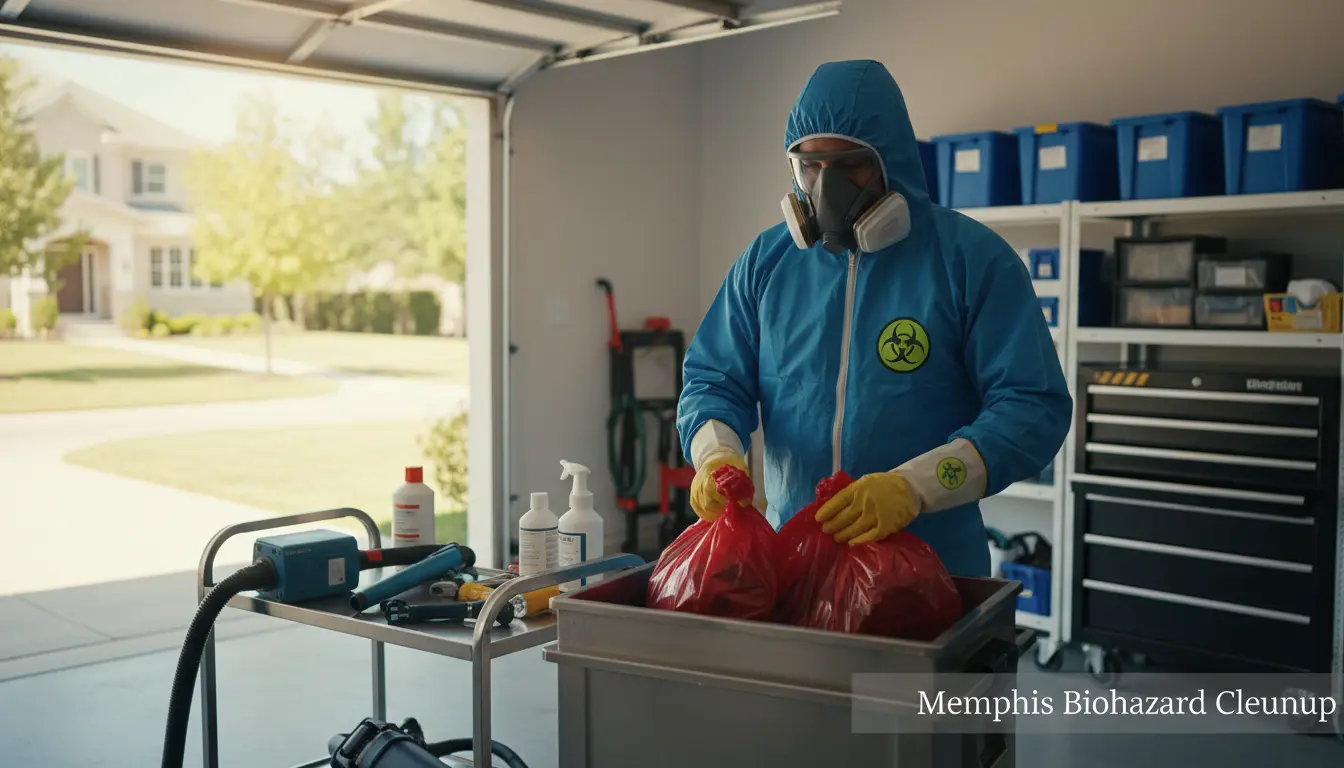
In the bustling city of Memphis and its surrounding communities, managing medical waste is a critical responsibility for healthcare facilities, clinics, and even households dealing with biohazards. From hospitals in Downtown Memphis to small practices in Midtown Memphis, improper disposal can lead to serious health risks, environmental hazards, and legal penalties. At Memphis Biohazard Cleanup, we specialize in safe, compliant medical waste removal, ensuring your space remains secure and sanitary.
This guide dives into expert tips for handling medical waste effectively. Whether you’re a healthcare professional in Frayser or a resident in nearby Horn Lake, these actionable strategies will help you navigate the complexities of biohazard disposal. Let’s explore how to protect your community while adhering to Tennessee regulations.
Understanding Medical Waste and Its Risks
Medical waste encompasses a wide range of materials generated from healthcare activities, including sharps, infectious materials, and pharmaceutical residues. In Memphis, where vibrant neighborhoods like Binghampton host numerous clinics, the volume of such waste is significant.
Types of Medical Waste
- Infectious Waste: Items contaminated with blood or bodily fluids, such as bandages or gloves.
- Sharps Waste: Needles, syringes, and scalpels that pose puncture risks.
- Pharmaceutical Waste: Expired drugs or unused medications that require special handling.
- Pathological Waste: Tissues or organs from surgeries.
Ignoring these categories can spread pathogens like hepatitis or MRSA, endangering public health in densely populated areas around Memphis.
Local Regulations in Memphis and Surrounding Areas
Tennessee’s Department of Environment and Conservation (TDEC) mandates strict protocols for medical waste. Facilities must segregate waste at the source and use licensed haulers. In Memphis, compliance with Shelby County Health Department guidelines is essential, especially for emergency situations. Non-compliance can result in fines up to $25,000 per violation. Partnering with experts like Memphis Biohazard Cleanup ensures you’re always on the right side of the law.
Step-by-Step Guide to Safe Medical Waste Removal
Proper removal starts with preparation and ends with secure disposal. Here’s how to do it right, tailored for Memphis-area operations.
1. Segregate Waste Immediately
The first tip: Never mix waste types. Use color-coded bins—red for infectious waste, yellow for sharps, and blue for non-hazardous items. In a busy clinic in Downtown Memphis, this prevents cross-contamination and streamlines pickup. Label bins clearly with biohazard symbols to alert staff.
Actionable Advice: Train your team quarterly on segregation protocols. For high-volume sites like those in Midtown, consider automated sorting systems to reduce errors.
2. Use Proper Storage and Containment
Store waste in leak-proof, puncture-resistant containers. Sharps go into rigid plastic or metal boxes, while soft waste needs heavy-duty bags. In humid Memphis weather, opt for weather-resistant storage to avoid degradation.
Pro Tip: Keep storage areas ventilated and away from patient zones. For facilities in Frayser, where space might be limited, vertical stacking solutions can maximize efficiency without compromising safety.
3. Schedule Regular Pickups with Licensed Services
Don’t let waste accumulate—schedule bi-weekly or monthly collections based on your generation rate. Memphis Biohazard Cleanup offers flexible scheduling for surrounding areas like Horn Lake, ensuring prompt removal to minimize risks.
Explore our biohazard waste disposal services for seamless integration into your operations. We use EPA-approved methods, including autoclaving and incineration, to neutralize hazards before final landfill disposal.
4. Handle Transportation Safely
If transporting waste yourself (not recommended without certification), use dedicated vehicles with spill kits. For most, hiring professionals is key. Our team at Memphis Biohazard Cleanup uses GPS-tracked trucks to comply with DOT regulations, serving Binghampton and beyond efficiently.
Advanced Tips for Healthcare Facilities in Memphis
For larger operations, go beyond basics with these expert strategies.
Implementing a Waste Management Plan
Develop a comprehensive plan outlining generation, handling, and disposal. Include emergency protocols for spills—link to our emergency response cleanup for rapid intervention in Memphis incidents.
Incorporate audits every six months to track waste volumes and identify reduction opportunities, like recycling non-hazardous plastics.
Training and PPE Essentials
Equip staff with gloves, gowns, masks, and eye protection. In Memphis’s variable climate, choose breathable yet durable PPE. Conduct hands-on training sessions, simulating scenarios like needle-stick incidents common in high-traffic areas like Downtown.
Actionable Advice: Partner with local experts for OSHA-compliant workshops. Memphis Biohazard Cleanup provides on-site training to boost your team’s confidence.
Reducing Medical Waste Generation
Sustainability matters—switch to reusable items where possible and opt for digital records to cut paper waste. In eco-conscious communities like Midtown Memphis, this not only lowers costs but also appeals to green-minded patients.
Pro Tip: Track metrics with software to aim for a 20% reduction annually, aligning with national healthcare goals.
Common Challenges and Solutions in Surrounding Areas
Memphis’s unique geography presents hurdles, from urban density in Frayser to rural stretches near Horn Lake.
Urban vs. Rural Disposal Differences
In urban spots like Downtown, traffic can delay pickups—plan buffers. Rural areas may face longer hauls, so consolidate waste to optimize routes. Our service covers both seamlessly.
Dealing with Spills and Accidents
Accidents happen. For blood or fluid spills, isolate the area and use absorbents immediately. Connect with our blood spill removal experts for professional cleanup, especially after trauma scenes in high-crime zones.
Solution: Keep spill kits stocked and rehearse responses monthly.
FAQ: Medical Waste Removal in Memphis
What qualifies as medical waste in Tennessee?
Medical waste includes any material contaminated by blood, bodily fluids, or infectious agents. Sharps, cultures, and certain pharmaceuticals also count. Always consult TDEC for specifics.
How often should I schedule waste pickups?
It depends on volume—small clinics might need monthly, while hospitals require weekly. Memphis Biohazard Cleanup customizes schedules for your needs in areas like Binghampton.
Is DIY medical waste disposal safe?
Generally no, due to health and legal risks. Licensed services ensure compliance. For safe options, contact us at (901) 403-1598.
What if I discover unattended medical waste?
Do not touch it—call professionals immediately. Our crime scene cleanup team handles such scenarios discreetly across Memphis and surroundings.
Can households in Horn Lake dispose of medical waste?
Yes, for sharps or small amounts, use community drop-offs. For larger issues, like post-surgery waste, professional removal is best to avoid fines.
Conclusion: Partner with Experts for Peace of Mind
Mastering medical waste removal protects lives, complies with laws, and safeguards Memphis’s environment. From practical segregation to advanced planning, these tips empower you to handle biohazards confidently. But when challenges arise, trust Memphis Biohazard Cleanup for reliable, local service.
Serving Downtown, Midtown, Frayser, Horn Lake, Binghampton, and beyond, we’re your go-to for hoarding cleanup services and more. Don’t risk it—call (901) 403-1598 today for a free consultation and ensure your space is hazard-free.