
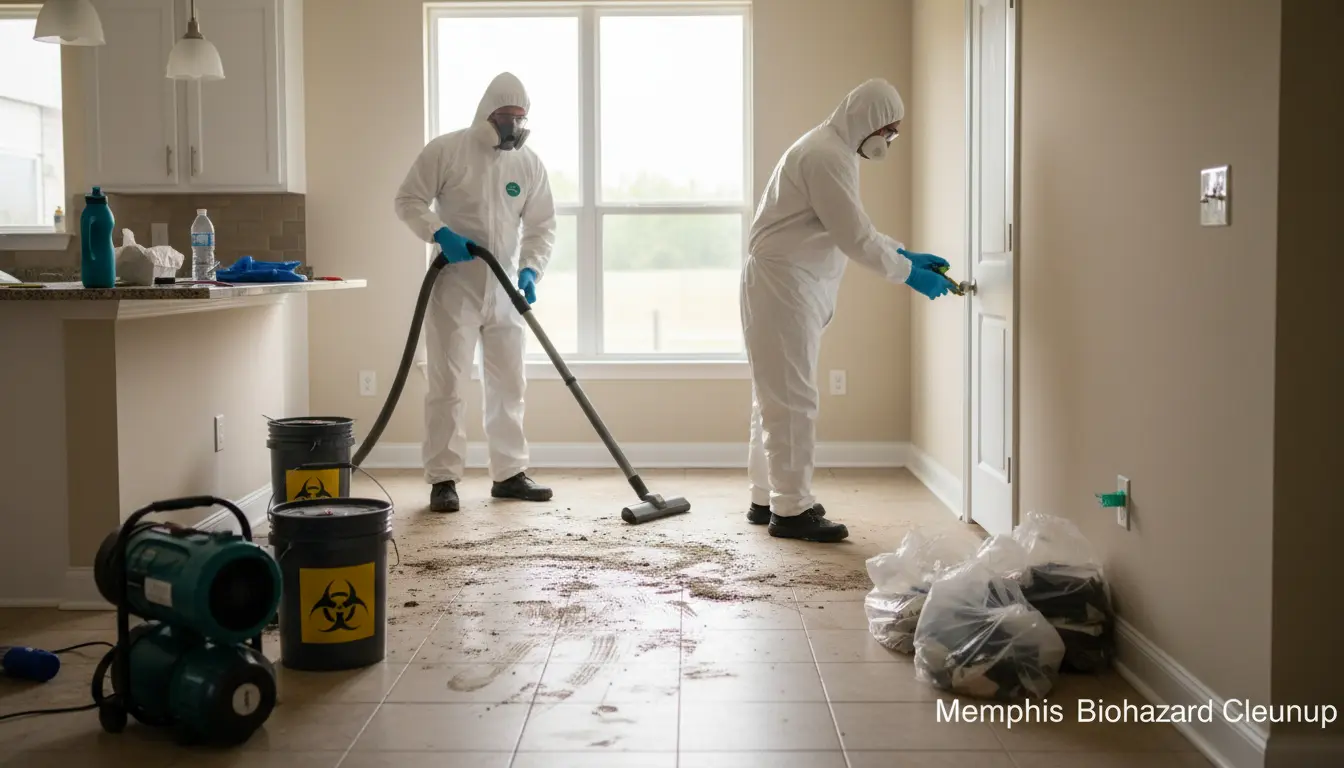
Imagine waking up to the Mississippi River’s wrath, your Memphis home submerged in murky floodwaters. The immediate chaos of ruined belongings and structural damage is overwhelming, but what lurks beneath the surface could be far more dangerous: biohazards. As a resident of this flood-prone city, understanding these hidden threats is crucial for your health and safety. In this comprehensive guide from Memphis Biohazard Cleanup, we’ll explore the biohazard dangers after floods, provide actionable recovery advice tailored to our local area, and show you why professional intervention is often non-negotiable.
Floods in Memphis aren’t just about water—they unleash a cascade of biological contaminants that can lead to serious health issues. From bacteria-laden sewage to rampant mold growth, the risks are real and immediate. Whether you’re in Downtown Memphis recovering from a river overflow or dealing with heavy rains in Frayser, this guide equips you with the knowledge to navigate the aftermath safely.
Understanding Biohazard Risks Post-Flood
Floodwaters carry more than just debris; they transport invisible threats that can compromise your well-being long after the water recedes. In Memphis, where the humid climate exacerbates these issues, recognizing biohazards early can prevent costly health complications.
Waterborne Pathogens and Contaminants
One of the primary biohazards after a flood is exposure to waterborne pathogens. Floodwater often mixes with sewage from overwhelmed systems, introducing bacteria like E. coli, Salmonella, and even more dangerous viruses such as hepatitis A. In urban areas like Cooper-Young, where older infrastructure may falter during storms, this contamination can seep into basements and crawl spaces.
Symptoms of exposure include gastrointestinal distress, skin infections, and in severe cases, respiratory problems. According to health experts, untreated floodwater can harbor over 100 types of pathogens. The key is to avoid direct contact—never wade through standing water without proper protective gear like rubber boots, gloves, and masks.
Mold and Mildew Proliferation
Memphis’s steamy summers and frequent rains create the perfect breeding ground for mold after floods. Within 24-48 hours of water exposure, mold spores can colonize damp walls, carpets, and furniture. Black mold, in particular, releases mycotoxins that irritate the respiratory system and can trigger allergies or asthma attacks.
In neighborhoods like Berclair, where homes are often tightly packed, mold can spread quickly from one property to another via HVAC systems. If left unchecked, it not only damages your property but poses long-term health risks, especially for children, the elderly, and those with compromised immune systems.
Chemical and Biological Mixtures
Floods don’t discriminate; they blend household chemicals with biological waste, creating toxic soups. Pesticides, cleaning agents, and even animal feces from nearby wildlife can combine to form hazardous compounds. In Memphis, industrial areas near the Wolf River may introduce additional pollutants, amplifying the danger.
Immediate Steps for Safe Flood Recovery in Memphis
Acting swiftly is essential, but safety comes first. Here’s a step-by-step guide to initial recovery that prioritizes minimizing biohazard exposure.
Assess and Evacuate if Necessary
Before entering your flooded property, assess the damage from a safe distance. If electrical hazards or structural instability are evident, evacuate immediately and contact local authorities. In Memphis, the Shelby County Office of Homeland Security often provides flood alerts—stay tuned to their updates.
Once cleared, wear personal protective equipment (PPE): N95 respirators, waterproof suits, and eye protection. Document the damage with photos for insurance claims, but avoid touching contaminated items.
Drain and Dry the Space
Pumping out water should be done by professionals to avoid spreading contaminants. Use fans and dehumidifiers to dry out the area, aiming for under 60% humidity to inhibit mold growth. In humid Memphis, this might require industrial-grade equipment—consider renting from local suppliers in Central Gardens.
Tip: Remove saturated porous materials like carpets and drywall within 48 hours. Dispose of them in sealed bags to prevent spore dispersal.
Initial Disinfection Protocols
After drying, disinfect surfaces with EPA-approved solutions like a bleach-water mix (1 cup bleach to 5 gallons water). Focus on high-touch areas, but remember, this is no substitute for professional cleanup. For severe contamination, such as sewage backups, call in experts specializing in emergency response cleanup to handle the heavy lifting.
When to Call Professional Biohazard Cleanup Services
DIY efforts have limits, especially with biohazards. Memphis Biohazard Cleanup recommends professional intervention for any flood involving sewage or standing water over ankle-deep. Our team is certified in handling these scenarios, ensuring compliance with OSHA and EPA guidelines.
Benefits of Expert Mold Biohazard Remediation
Mold isn’t just unsightly—it’s a health hazard that requires specialized removal. Our mold biohazard remediation services use HEPA vacuums, antimicrobial treatments, and containment barriers to eradicate spores at the source. In flood-prone spots like the Memphis suburbs, we’ve helped countless families restore safe living conditions without recurrence.
Handling Infectious Disease Cleanup
Floods can unearth hidden infectious materials, from rodent droppings to human waste. If your property shows signs of such contamination, our infectious disease cleanup protocols involve biohazard suits, negative air machines, and thorough decontamination. This is particularly vital in densely populated areas where diseases can spread rapidly.
Trauma Scene Remediation for Structural Damage
Severe floods might damage structures in ways that expose biohazards, similar to trauma scenes. Our trauma scene remediation expertise extends to post-flood scenarios, removing contaminated debris and restoring structural integrity.
Memphis-Specific Flood Recovery Considerations
Our city’s unique geography—sandwiched between the Mississippi and tributaries—makes floods a seasonal threat. The 2010 Nashville floods echoed here, reminding us of vulnerabilities in low-lying areas like Frayser and Downtown. Local building codes require elevated foundations in flood zones, but older homes in Berclair often lack these.
Collaborate with Memphis Light, Gas and Water (MLGW) for utility shutoffs, and check with the Memphis Fire Department for safety inspections. Community resources, like the Mid-South Food Bank, can aid in recovery, but biohazard handling remains a professional domain.
Practical Tip: Enroll in the National Flood Insurance Program (NFIP) if you haven’t—Memphis properties qualify for coverage that includes biohazard cleanup up to certain limits.
Preventing Future Biohazards After Floods
Recovery is reactive, but prevention is proactive. Elevate appliances on concrete blocks, install sump pumps, and seal cracks in foundations. In Memphis’s clay-heavy soil, French drains can redirect water effectively.
Regular maintenance of HVAC systems filters out potential contaminants, and annual inspections by pros can catch vulnerabilities early. For those in high-risk zones, consider flood barriers or landscaping that directs water away from your home.
Educate your family on emergency kits: Include PPE, non-perishable food, and a biohazard response plan. Local workshops through the University of Memphis Extension Service often cover flood preparedness.
FAQ: Common Questions About Biohazard Dangers After Floods
1. How soon after a flood do biohazards become a problem?
Biohazards can emerge within hours. Bacteria thrive in warm water, and mold starts growing in 24-48 hours. Prompt action is key to mitigation.
2. Can I clean up flood damage myself in Memphis?
Minor cleanups are possible with proper PPE, but for sewage or mold, hire professionals like Memphis Biohazard Cleanup to avoid health risks and ensure thorough removal.
3. What are the health effects of flood-related biohazards?
Short-term: Skin rashes, nausea. Long-term: Respiratory issues, infections. Vulnerable groups face higher risks—seek medical advice if exposed.
4. Does homeowners insurance cover biohazard cleanup in Memphis?
Standard policies may cover water damage, but biohazards often require riders or flood insurance. Contact your agent and us at (901) 403-1598 for guidance.
5. How long does professional biohazard cleanup take?
It varies: 1-3 days for small jobs, up to a week for extensive floods. Our team provides rapid response in areas like Downtown Memphis.
Conclusion: Secure Your Memphis Home Today
Floods in Memphis test our resilience, but with informed action, you can emerge stronger and safer. From understanding biohazard dangers to implementing recovery strategies, this guide arms you with essentials. Don’t let hidden threats undermine your efforts—trust Memphis Biohazard Cleanup for expert, compassionate service.
Ready to reclaim your space? Call us at (901) 403-1598 for a free assessment. Whether in Cooper-Young or beyond, we’re here 24/7 to handle your biohazard needs and restore peace of mind.